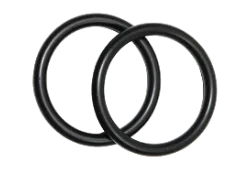
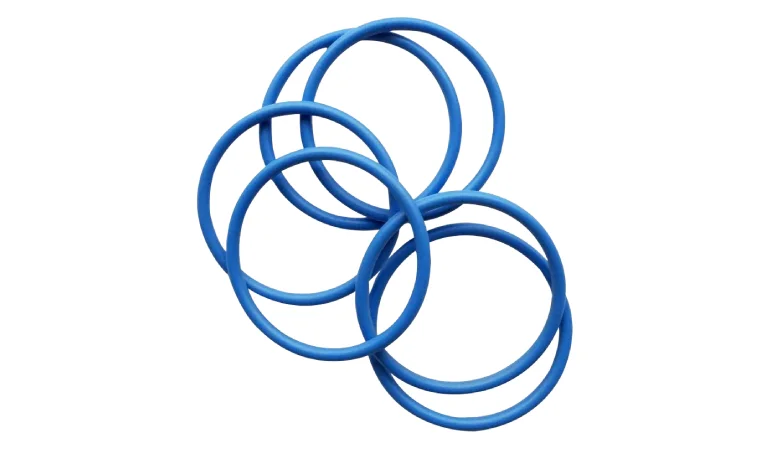

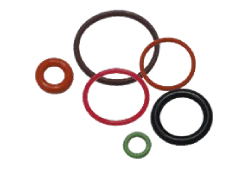
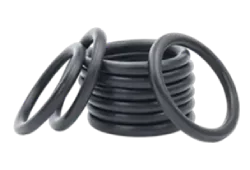
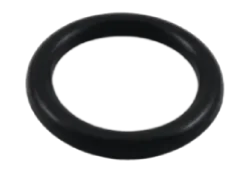
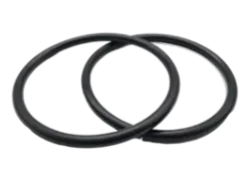
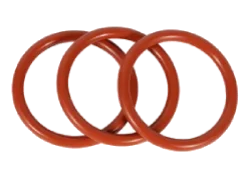
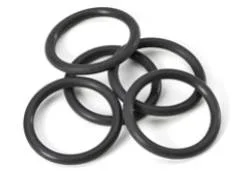
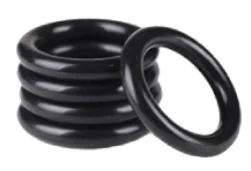
Rubber O-Rings provide a simple yet highly effective sealing solution for preventing leaks, maintaining pressure, and ensuring smooth performance for many use cases. Our O-rings deliver durability, chemical resistance, and a perfect fit for every need. They’re the solution you need, whether you work on industrial machinery, automotive engines, or residential plumbing systems.
10% discount for bulk orders over $1,000
Buy High-Quality Rubber O-Rings in Bulk Today From Rubber Experts Inc
Find the exact O-rings you need, available in multiple materials, sizes, and industry-grade standards. Bulk ordering options are available for businesses that require reliable stock for maintenance and production purposes.
Silicone O-Rings
FDA-approved seals for extreme temps (-60°C to 230°C) and sterile environments
EPDM O-Rings
All-weather sealing solution resists UV, ozone, water, and steam up to 150°C.
Neoprene O-Rings
Versatile general-purpose seals handle refrigerants, oils, and moderate chemicals.
Fluorosilicone O-Rings
Aerospace-grade sealing for jet fuels, hydraulics, and extreme cold environments
FKM O-Rings
Premium chemical resistance up to 200°C for aggressive industrial environments
HNBR O-Rings
Heavy-duty sealing for high-pressure hydraulics and abrasive oil environments
Buna (NBR) O-Rings
Industry-standard oil and fuel sealing with proven reliability and value
Polyurethane O-Rings
Maximum wear resistance for moving parts and high-friction applications
Santoprene O-Rings
Flexible TPV sealing for potable water and chemical processing systems
Butyl Rubber O-Rings
Ultra-low permeability sealing for vacuum systems and gas containment
Natural Rubber O-Rings
High-strength elasticity for water systems and non-petroleum applications
AEM O-Rings
Automotive-grade sealing for engine oils and transmission fluids at high temps
Why Choose Rubber Xperts for Your O-Ring Needs
Industry Expertise and Manufacturing Capabilities
Years of experience in hydraulic and pneumatic systems ensures high-performance rubber O-rings.
10,000 square feet manufacturing facility equipped for large-scale production.
ISO-certified products meeting stringent international quality standards.
Comprehensive Product Range
Bulk and OEM Supply Options for industrial buyers requiring consistent inventory management
Custom Sizes and Materials available for specialized applications with unique requirements
Standard and Metric Dimensions ensuring global equipment compatibility>
Wide Material Selection from cost-effective NBR to high-performance Viton and specialty compounds
Service Excellence
Expert Technical Support - Our reliable technical team guides material selection, sizing, and application-specific requirements
Fast Nationwide Shipping - Ships to over 20 states monthly, keeping operations running smoothly
Secure Online Ordering - Easy procurement through our website or direct phone consultation
Flexible Solutions - Customized ordering and packaging preferences tailored to customer needs
Quality Assurance
ISO Certification ensures product reliability and compliance with the international standard
Material Testing - validates chemical resistance, temperature performance, and mechanical properties
Application Engineering - supports customers in optimizing seal selection for specific use cases.
Your Custom Rubber O-Rings Journey - From Selection to Delivery
01
Consultation and Selection
Technical review of your O-ring requirements
02
Quote and Engineering
Detailed specifications and pricing
03
Custom Manufacturing
Precision molding and quality testing
04
Quality Control and Shipping
Final inspection and fast delivery
Total Turnaround: 7-10 business days | Express bulk O-rings available in 7-10 days
What Are Rubber O-Rings and Why Are They Essential?
Rubber O-rings are circular elastomer seals designed to fit into grooves and prevent the passage of liquids or gases. Also known as O-ring seals or O-ring gaskets, these flexible sealing elements create airtight and watertight barriers by compressing between two surfaces under pressure or movement.
Their primary function is maintaining leak-proof connections in industries ranging from plumbing and automotive to manufacturing and chemical processing. According to a Research Nester Report, the O-ring market in the aerospace equipment segment is expected to gain a 52% share by 2037, highlighting the critical role O-rings play in fueling industrial growth.
The elastomeric properties of O-rings allow them to deform and fill gaps while returning to their original shape, ensuring consistent sealing performance under varying conditions. This adaptability, combined with their cost-effectiveness and ease of installation, makes them indispensable components across countless applications.
What are the Different Types and Classifications of Rubber O-Rings?
The different types and classifications of rubber o-rings are highlighted below:
Static O-rings
Static O-rings
Static O-rings are designed for stationary applications where there's no movement between sealed surfaces. These seals excel in pipelines, flanges, and valve covers, providing reliable containment without wear from motion. Static O-rings demonstrate exceptional longevity, with studies showing they last up to three times longer than dynamic seals under identical conditions due to reduced mechanical stress.
Dynamic O-rings
Dynamic O-rings
Dynamic O-rings handle applications involving movement, such as hydraulic pistons, rotating shafts, and reciprocating machinery. These seals must withstand continuous friction while maintaining pressure integrity, requiring specialized materials like polyurethane or Viton for enhanced wear resistance.
Standard Torus O-Rings
Standard Torus O-Rings feature the traditional circular cross-section and represent the most versatile sealing solution for both static and dynamic applications.
Square O-rings
Square O-rings
Square O-rings have a square cross-section designed to provide tighter seals and reduce rolling or extrusion under high pressure, making them ideal for precision hydraulic systems.
Specialized Shapes
Specialized Shapes
Specialized Shapes include X-rings and quad rings that offer multiple sealing lips for enhanced leak protection in critical applications.
Food-Grade O-Rings
Food-Grade O-Rings
Food-Grade O-Rings are manufactured using FDA-approved materials like silicone or EPDM, ensuring compliance with food safety standards for processing and packaging equipment.
Medical O-Rings
Medical O-Rings
Medical O-Rings use biocompatible materials for sterile applications in syringes, pumps, and diagnostic equipment, maintaining patient safety and equipment reliability.
Automotive O-Rings
Automotive O-Rings
Automotive O-Rings withstand high temperatures, pressures, and exposure to oils and fuels in engines, transmissions, and braking systems.
Aerospace O-Rings
Aerospace O-Rings
Aerospace O-Rings are engineered for extreme conditions in aircraft and spacecraft systems, providing reliable sealing for fuel systems, hydraulics, and cabin pressurization.
What Materials Are Used in Rubber O-Ring Manufacturing?
The common materials used in rubber o-ring manufacturing depend on the different applications to ensure optimal performance and longevity. The common materials are listed in the table below:
Material
Temp Range
Chemical Resistance
Durability
Cost Level
Best Applications
NBR (Buna-N)
-40°C to 120°C
Oils and Fuels
High
Low
Automotive, hydraulic systems
EPDM
-50°C to 150°C
Water, Steam, Weather
High
Medium
Plumbing, HVAC, outdoor use
Viton/FKM
-20°C to 200°C
Solvents and Chemicals
Very High
High
Chemical processing, aerospace
Silicone
-60°C to 230°C
Mild Chemicals and Heat
Medium
Medium
Medical, food-grade, extreme temps
Neoprene
-40°C to 120°C
Weather and Abrasion
Medium
Medium
General-purpose, refrigeration
Polyurethane
-30°C to 80°C
Abrasion and Wear
Very High
Medium
Dynamic sealing, high-pressure
Fluorosilicone
-65°C to 175°C
Fuels and Low Temps
High
High
Aerospace, fuel systems
How to Choose the Best Rubber O-ring Material
To choose the best rubber o-ring material, consider the following factors:
Temperature Requirements
Operating temperature range significantly impacts material choice. Silicone excels in extreme temperatures, while NBR suits moderate temperature applications cost-effectively.
Chemical Compatibility
Exposure to oils, fuels, solvents, or cleaning agents requires specific material properties. Viton handles aggressive chemicals, while EPDM resists water and steam.
Pressure Conditions
High-pressure applications demand robust materials like polyurethane or require backup rings to prevent extrusion and failure.
Dynamic vs Static Use
Moving applications need materials with enhanced wear resistance, while static seals can use more cost-effective options.
Regulatory Compliance
Food, medical, and pharmaceutical applications require FDA-approved materials like silicone or specific EPDM grades.
Where Are Rubber O-Rings Commonly Used?
Rubber o-rings are commonly used in the following sectors:
Automotive
O-rings are essential in engines, fuel injectors, brake systems, and transmission components. NBR and Viton materials handle exposure to oils, fuels, and high temperatures while maintaining reliable sealing performance. Critical applications include fuel system sealing, engine oil containment, and hydraulic brake fluid systems.
Industrial Manufacturing
Pumps, compressors, and hydraulic systems rely on O-rings for leak-free operation. These applications often involve high pressures and continuous operation, requiring durable materials like polyurethane for dynamic seals or EPDM for water-based systems.
Plumbing and HVAC
Water systems, pipe connections, and filtration equipment use O-rings to prevent leaks and maintain system pressure. EPDM excels in these applications due to its water resistance and UV stability for outdoor installations.
Food and Pharmaceutical
Processing machinery requires FDA-approved silicone or EPDM O-rings that withstand sterilization cycles and cleaning agents while maintaining food safety compliance. These seals prevent contamination and ensure product purity.
Chemical and Marine
Harsh environment sealing involves exposure to aggressive chemicals, saltwater, and extreme weather conditions. Viton and specialized fluoroelastomers provide the necessary chemical resistance for reliable long-term performance.
Aerospace and Defense
Critical sealing applications in fuel systems, hydraulics, and cabin pressurization demand materials like fluorosilicone that maintain integrity under extreme temperature variations and high pressures.
Electronics and Telecommunications
Environmental protection sealing prevents dust, moisture, and contaminant ingress in sensitive equipment. Silicone O-rings provide stable sealing while accommodating thermal expansion cycles.
How to Determine Rubber O-Ring Sizes
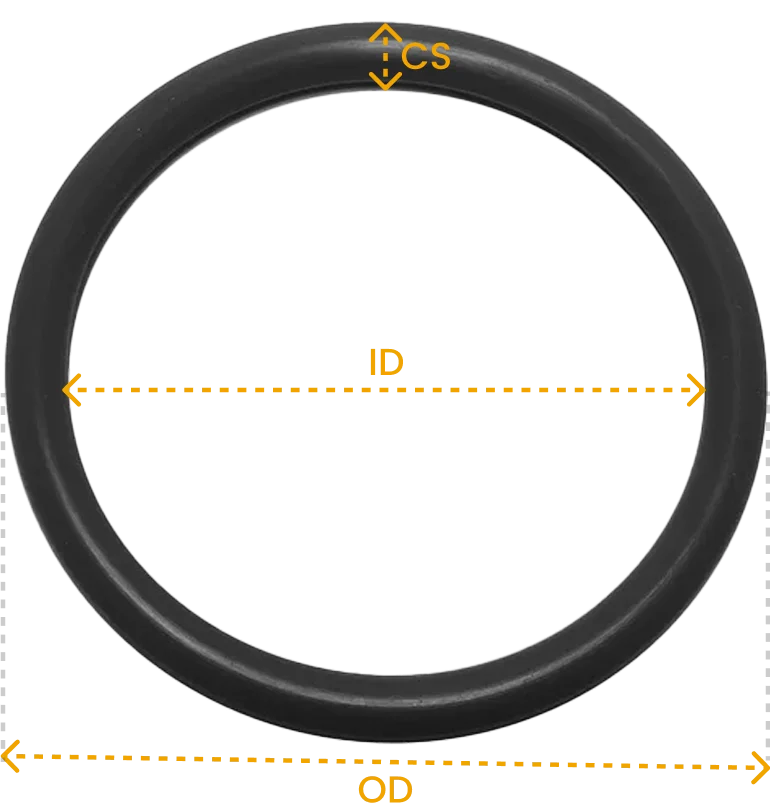
To determine the rubber o-ring sizes, consider the following O-ring dimensions:
Inner Diameter (ID): Distance across the inside of the O-ring, determining fit around grooves or shafts
Outer Diameter (OD): Distance across the O-ring's exterior, ensuring proper housing compatibility
Cross-Section (CS): Thickness of the O-ring's circular body, affecting compression requirements
Standard Sizing Systems:
AS568 Sizes - Imperial measurements used primarily in North America
ISO 3601 - Metric measurements for global compatibility
Custom Sizes Available for specialized applications requiring non-standard dimensions
Measuring Tools:
Calipers for precise ID and OD measurements
O-ring sizing cones for cross-section determination
Sizing gauges for verification and quality control
Key Features and Benefits of Rubber O-Rings
The key features and benefits of the rubber o-rings Rubber Xperts Inc sells are highlighted below:
Reliable Leak Prevention Under Pressure
Provides superior airtight and watertight sealing to prevent fluid or gas leakage in critical systems such as engines, pipelines, and HVAC units.
Cost-Effective and Easy to Install or Replace
Simple design allows for quick maintenance, minimizing labor costs and operational interruptions.
Wide Size Availability in Standard and Metric Dimensions
Offers precise compatibility with global equipment and machinery, reducing the risk of seal failure.
Chemical & Heat Resistance for Harsh Environments
Withstand exposure to oils, fuels, steam, and solvents while performing in both high-temperature and cryogenic conditions.
Versatile for Multi-Industry Applications
Suitable for automotive, industrial, marine, chemical, and food-grade systems, supporting diverse operational needs.
How to Install Rubber O-Rings
To install Rubber O-rings, consider the following steps:
1
Step 1: Inspection and Preparation
Clean the groove and surrounding area thoroughly, removing debris, old lubricant, or metal shavings. Inspect the O-ring for cuts, cracks, or deformation that could compromise sealing integrity.
2
Step 2: Lubrication Application
Apply a compatible lubricant to reduce friction during installation. Use silicone-based grease for general applications or synthetic O-ring oil for specialized requirements. Ensure lubricant compatibility with the O-ring material and system fluids.
3
Step 3: Careful Positioning
Position the O-ring without excessive stretching or twisting. Use plastic installation picks from O-ring mounting kits to avoid damage. Roll the O-ring into place rather than pulling aggressively to prevent overstretching.
4
Step 4: Proper Seating
Ensure even seating in the groove with no pinching or bulging. Check alignment to maintain consistent compression across the entire circumference.
5
Step 5: System Testing
Test the assembly under operational conditions to verify sealing integrity. Perform pressure testing according to manufacturer specifications to confirm reliable performance.
Compression Guidelines
Follow these compression ratios to ensure effective sealing and longer O-rings life.
Static Applications
15-25% compression ratio ensures effective sealing without excessive stress
Dynamic Applications
10-20% compression balances sealing efficiency with reduced wear
Over-compression
Over-compression causes material fatigue and extrusion
Under-compression
Under-compression results in poor sealing and system leaks
How to Maintain Rubber O-rings
To maintain rubber o-rings, consider the following best practices:
Inspection Schedule
Implement routine visual inspections to identify wear, cracking, or deformation before failure occurs. Early detection prevents costly system downtime and equipment damage.
Cleaning Procedures
Use lint-free cloths and compatible solvents to maintain clean sealing surfaces. Proper cleaning prevents contamination that could compromise seal effectiveness.
Lubrication Maintenance
Reapply compatible lubricants during service intervals to reduce friction and extend O-ring life in dynamic applications.
Replacement Indicators
Replace O-rings showing signs of hardening, cracking, permanent deformation, or chemical degradation to maintain system reliability.
What are the common issues linked to rubber o-rings?
The common issues linked to rubber o-rings are listed below:
Premature Wear, which often results from improper material selection, inadequate lubrication, or misalignment. Solution: Verify material compatibility and installation procedures.
Chemical Degradation, which occurs when the O-ring material is incompatible with system fluids. Solution: Conduct compatibility testing and select appropriate materials.
Extrusion Failure occurs under high pressure when O-rings lack adequate support. Solution: Install backup rings or redesign groove specifications.
Temperature Damage that manifests as hardening or softening beyond material limits. Solution: Select materials with appropriate temperature ratings for the application.
How to test the rubber O-rings' performance and quality?
To test rubber o-rings' performance and quality, consider the following options:
Pressure Testing
Pressure Testing: verifies sealing integrity under operational conditions according to standards like ASTM F2378.
Chemical Compatibility Testing
Chemical Compatibility Testing follows ISO 1817 and ASTM D471 methods to ensure material resistance to operational fluids.
Temperature Cycling
Temperature Cycling: validates performance across expected operating temperature ranges
Compression Set Testing
Compression Set Testing measures material recovery after prolonged compression to predict service life.
Need help choosing the best rubber O-Rings for your use case?
Frequently Asked Questions
Here are some frequently asked questions about Rubber O-Rings to help you find the answers you need:
The main difference between an O-ring and a seal is that an O-ring is a specific type of circular sealing element, while a seal is a broader category encompassing various shapes and designs for containing fluids or gases.
You should use Rubber O-rings when the application requires a simple, versatile, and leak-proof solution for sealing under dynamic or static conditions. Conversely, Gaskets are better suited for flat surfaces or irregular shapes requiring a broader sealing area. Rubber O-rings are ideal for pressure systems and fluid containment, while gaskets excel in applications like machinery gaskets or flanged connections.
Yes, rubber O-ring seals can be made from eco-friendly materials by using sustainable rubber compound types derived from natural or recycled sources. Natural rubber or biodegradable alternatives are formulated to meet specific sealing needs, although they might have chemical or heat resistance limitations compared to synthetic rubbers like Viton (FKM). These eco-friendly solutions are increasingly popular in industries prioritising sustainability without compromising seal performance tracking.
Viton/FKM and EPDM O-rings perform best in chemical-heavy environments. Viton excels against solvents and fuels, while EPDM is suitable for water, steam, and some mild chemicals.
Viton/FKM is the most reliable for solvents and fuels, while NBR is suitable for oils and standard fuels but not for harsh chemicals.
Yes. Silicone O-rings can tolerate extreme cold (-60°C), and Viton/FKM can handle up to 200°C or more.
EPDM and Neoprene O-rings are excellent for UV, weather, and marine exposure.
Inspect quarterly for critical systems and replace annually or sooner if exposed to high pressure, heat, or chemicals.
Yes. Rubber Xperts Inc offers custom O-rings and seals for regulated industries and can meet ISO, ASTM, and FDA requirements.
Common causes include over-compression, chemical attack, heat degradation, and improper storage. Use compatible materials and follow installation best practices.
Yes. Store in a cool, dry, and dark place, away from UV exposure, ozone, or chemical vapors.
Yes. We provide bulk supply and OEM support with competitive pricing for industrial buyers.
It’s not recommended. O-rings may deform or pick up debris; replacing them ensures a reliable seal.
Measure the inner diameter (ID), outer diameter (OD), and cross-section using a caliper or O-ring sizing chart.
Yes. Silicone and Viton/FKM O-rings handle the highest temperature ranges.
Replacement depends on material and application. In standard conditions, annual inspection and replacement are recommended.
Yes. Contact us for custom O-ring kits, bulk options, and special size orders.
Explore Related Categories and Accessories
Rubber O-Rings
Rubber Gaskets
Rubber Extrusions
Rubber Mounts
Rubber Hoses
Rubber Bushings
Sealants
Rubber Pipes
Customer Reviews and Testimonials
Ryne Pfeifer
"We recently purchased rubber gaskets from Rubber Xperts INC. and were thoroughly impressed with their service. The team demonstrated a high level of professionalism and ensured we received top-quality products. Their assistance throughout the process was invaluable, and they delivered everything on time. We highly recommend Rubber Xperts INC. for their exceptional quality and outstanding customer support."
Remya Varughese
"Our dairy organization has been partnering with Rubber Xperts INC. for a while now, and we frequently procure silicone dairy hoses from them. Their customer service and engineering team are outstanding, always ensuring we receive the best products and support. This partnership has been a great success, and we highly recommend Rubber Xperts INC. for their professionalism, quality, and reliability."
About Rubber Xperts INC
With years of experience in hydraulic and pneumatic systems, Rubber Xperts INC makes top-quality rubber products like rubber o-rings, rubber seals, rubber pipes, rubber extrusions, rubber gaskets, rubber mounts, rubber hoses, and more.
We cater to various industries such as construction, aviation, agriculture, and marine. Quality is our priority, ensuring you get the best possible experience and product.
Our team can locate any product for you such as Seals, O-Rings, Gaskets, Pipes, Hoses, and more. If you need help finding a very specific product, reach out to us by phone, email, or contact form. If it exists, we'll find it for you.
Call us at +1 (817) 614 1836
We're available Monday-Friday from 8:00 AM to 6:00 PM EST, and Saturday from 8:00 AM to 12:00 PM EST.
First-class customer support
Top-notch customer support from us, whether it's before or after your purchase.
Easy and hassle-free
Buy easily through our website or just give us a call.
Flexible ordering and packing solutions
Customize your ordering and packing preferences with our flexible solutions tailored to your needs.