
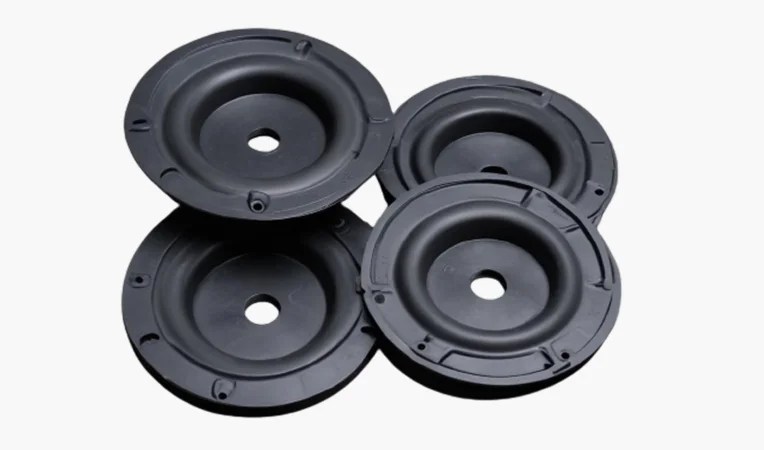
Rubber Diaphragms
Rubber diaphragms control pressure, regulate flow, and seal pumps, valves, regulators, and sensors. They flex under pressure and return to shape, survive repeated cycling without cracking, and resist oils, water, and many chemicals, depending on the compound. Rubber Xperts supplies custom rubber diaphragms in NBR, EPDM, silicone, neoprene, and FKM, plus PTFE and fabric-reinforced builds, sized to fit your equipment. Browse our full range of rubber products to see what else we make.
Rubber diaphragms are flexible elastomer membranes that separate two chambers and move with pressure differences. That movement lets a pump move fluid, a regulator hold a set pressure, a valve open and close, or a sensor read a pressure change. Their job is to seal and control, so a diaphragm that fails means leaks, lost pressure, or damaged components.
Types of Rubber Diaphragm Products We Have in Our Catalog
Our catalog covers seven diaphragm types. Material drives chemical resistance and temperature range, and diaphragm design (flat, convoluted, or rolling) drives stroke length and pressure handling. Fabric-reinforced diaphragms take high pressure, homogeneous silicone diaphragms suit clean low-pressure duty, and PTFE diaphragms handle aggressive chemicals. Each type below lists the material, application, hardness, temperature range, and pressure rating, so you can shortlist options before contacting us.

Fabric-Reinforced Diaphragms
Rubber bonded to an embedded polyester or nylon fabric layer. The fabric resists stretching and holds pressure without losing stroke accuracy.
- Material: NBR, EPDM, silicone, or FKM over polyester or nylon fabric
- Application: High-pressure pumps, pneumatic actuators, pressure regulators
- Hardness: 50–80 Shore A
- Temperature Range: -40°C to 200°C, depending on compound
- Pressure Rating: Up to 300 psi
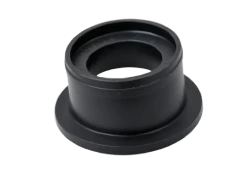
Homogeneous Silicone Diaphragms
Single-layer silicone with no fabric. They flex easily and respond to small pressure changes, making them suitable for clean, low-pressure systems.
- Material: Silicone (VMQ)
- Application: Medical pumps, food and beverage dispensing, low-pressure sensors
- Hardness: 30–80 Shore A
- Temperature Range: -60°C to 200°C
- Pressure Rating: Up to 30 psi
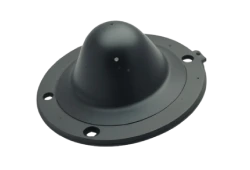
Hybrid Diaphragms
An elastomer body combined with a fabric or PTFE layer. They pair rubber flexibility with added strength or chemical protection.
- Material: Elastomer with fabric or PTFE layer
- Application: Chemical metering pumps, aggressive-media valves
- Hardness: 50–75 Shore A
- Temperature Range: -40°C to 150°C
- Pressure Rating: Up to 150 psi
Rolling Diaphragms
Convoluted diaphragms that roll instead of stretch. They have long, low-friction strokes with little hysteresis.
- Material: Fabric-reinforced NBR, EPDM, or silicone
- Application: Pneumatic cylinders, precision regulators, actuators
- Hardness: 50–70 Shore A
- Temperature Range: -40°C to 150°C
- Pressure Rating: Up to 250 psi
Molded Diaphragms
Formed in a mold to a precise flat, dished, or convoluted profile. Molding repeats the same shape and wall thickness from part to part.
- Material: NBR, EPDM, silicone, neoprene, or FKM
- Application: Valves, diaphragm pumps, regulators, sensors
- Hardness: 40–80 Shore A
- Temperature Range: -40°C to 200°C, depending on compound
- Pressure Rating: Up to 150 psi
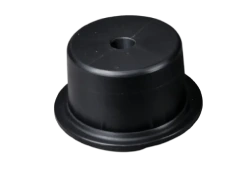
PTFE (Polytetrafluoroethylene) Diaphragms
Chemically inert diaphragms that resist nearly all acids, solvents, and caustics. They are often backed with EPDM or FKM for flex life.
- Material: PTFE, often with EPDM or FKM backing
- Application: Chemical dosing pumps, pharmaceutical and semiconductor processing
- Hardness: 50–65 Shore D
- Temperature Range: -70°C to 260°C
- Pressure Rating: Up to 100 psi
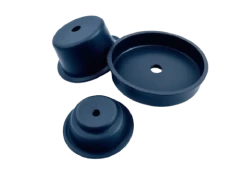
Custom Diaphragms
Made to your drawing or sample. We match the profile, compound, and reinforcement to your equipment, including diaphragm gaskets and test-equipment parts such as bursting strength testers.
- Material: NBR, EPDM, silicone, neoprene, FKM, or PTFE, as specified
- Application: OEM equipment, replacement parts, test instruments
- Hardness: 30–90 Shore A
- Temperature Range: Set by compound
- Pressure Rating: Set by design
Buy High-Quality Rubber Diaphragms from Rubber Xperts
Looking for a rubber diaphragm manufacturer or supplier you can order from directly? Rubber Xperts ships stock and custom diaphragms made to your specification.
Frequently Asked Questions About Rubber Diaphragms
These are the questions buyers and maintenance teams ask us most. If yours isn't here, send us your application details.
Maintenance requirements typically include regular inspections for signs of wear or damage, ensuring proper sealing and functionality. Depending on the application, diaphragms may need periodic replacement to maintain optimal performance.
Yes, rubber or silicone diaphragms can be customized in terms of size, shape, material, and performance characteristics to meet specific requirements. Customization allows for precise compatibility with equipment and ensures optimal performance in various applications.
Rubber or silicone diaphragms should be stored in a clean, dry environment, away from direct sunlight and extreme temperatures. They must also avoid exposure to chemicals or oils that may degrade the rubber material. Additionally, storing diaphragms flat or in their original packaging helps prevent deformation or damage.
Fabric-reinforced diaphragms offer increased strength and durability due to the added fabric layers, making them suitable for high-pressure applications. Homogeneous rubber diaphragms, on the other hand, provide flexibility and compatibility with specific fluids or gases, making them ideal for various general-purpose applications.
Determining the right rubber diaphragm involves considering factors such as operating conditions (pressure, temperature, and fluid compatibility), required performance characteristics (flexibility, durability, and sealing capability), and any industry-specific standards or regulations. Consulting with a knowledgeable supplier or manufacturer can help you select the most suitable diaphragm for your application's needs.
Need Custom Diaphragms for Your Application?
Send us your drawing, sample, or operating conditions. We'll confirm the material, hardness, and reinforcement and quote the build.
Materials
Manufacturing
& Fast Response
You can upload it with your enquiry.