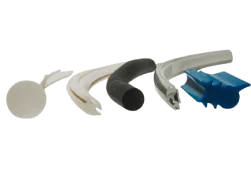
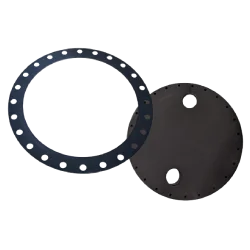
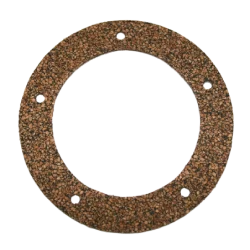
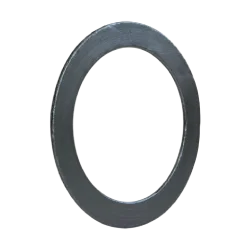
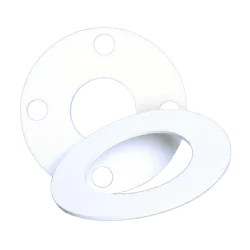
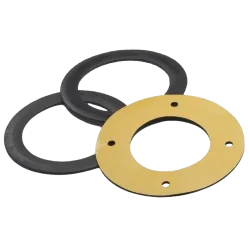
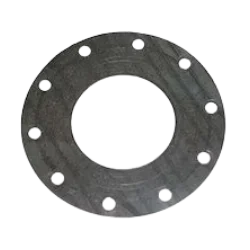
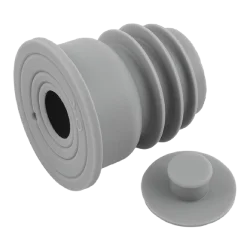
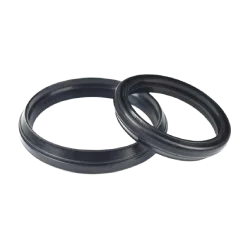
Weatherproof Sealing Solutions for Glass, Frames & Building Systems
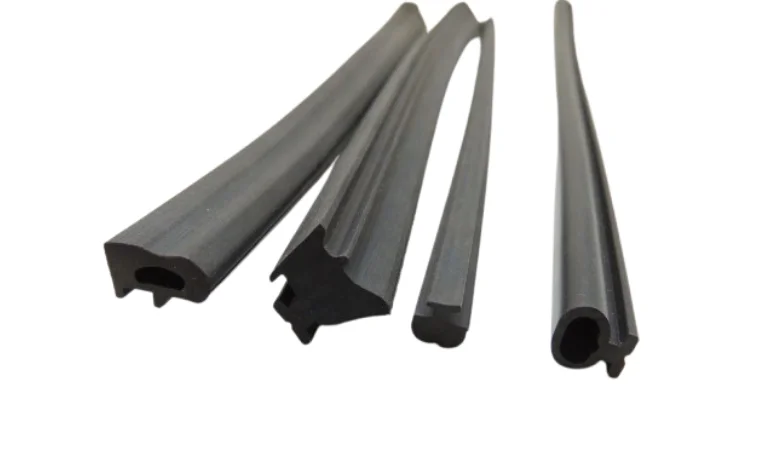
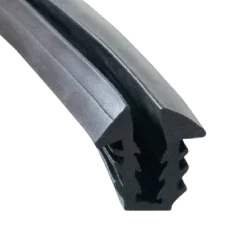
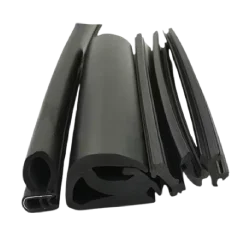
Window gaskets provide reliable sealing between glass panels and window frames to prevent air, water, dust, and noise ingress. Their core function is to create a weatherproof barrier while accommodating movement, vibration, and thermal expansion.
Window gaskets offer excellent flexibility, UV and ozone resistance, and long-term durability across varying temperatures and outdoor conditions. Rubber Xpert Inc. manufactures and supplies custom window gaskets in bulk. All window gaskets are engineered for precise fit, consistent sealing performance, and demanding residential, commercial, and industrial applications.
Buy Window Gaskets in Bulk from a Certified Manufacturer, Rubber Xperts Inc
Buy window gaskets in bulk directly from a manufacturer offering certified materials, consistent quality control, and precision-cut custom profiles. Rubber Xpert Inc. supports OEM and construction projects with competitive pricing, fast turnaround, and reliable large-volume supply for weather-sealing applications.
Rubber Window Gaskets
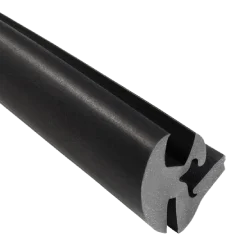
Rubber window gaskets are engineered for flexible, weather-tight sealing between glass and frames. They offer durability and vibration absorption where long-term exposure is expected.
Applications: Residential and Commercial Windows
Material Type / Grade: EPDM, Neoprene
Temperature Range: −40°C to +120°C
Hardness (Durometer): 60–75 Shore A
Thickness Range: 2 mm to 12 mm
Key Features: Elastic Fit, Weather Resistance, Long Service Life
EPDM Window Gaskets
EPDM window gaskets are designed for superior UV, ozone, and moisture resistance in outdoor installations.
Applications: Building Facades, Curtain Walls
Material Type / Grade: EPDM Rubber
Temperature Range: −50°C to +130°C
Hardness (Durometer): 60–70 Shore A
Thickness Range: 2 mm to 15 mm
Key Features: Excellent Weatherability, Low Compression Set
Neoprene Window Gaskets
Neoprene window gaskets provide balanced sealing and moderate oil resistance for mixed indoor–outdoor environments.
Custom window gaskets are engineered to exact profiles and tolerances for specialized glazing systems.
Applications: OEM Windows, Architectural Projects
Material Type / Grade: Custom-Specified
Temperature Range: Application-Dependent
Hardness (Durometer): Custom
Thickness Range: Custom
Key Features: Precision Fit, Tailored Performance
Why Buy Window Gaskets from Rubber Xperts Inc?
Rubber Xperts Inc. manufactures window gaskets using certified elastomers and precision-controlled processes to ensure long-term weather sealing, dimensional accuracy, and consistent performance across residential, commercial, and industrial glazing systems.
Reasons to buy window gaskets from Rubber Xperts Inc include:
ISO-Certified Manufacturing: Controlled production systems for consistent quality and traceability.
Industry-Approved Material Grades: EPDM, silicone, neoprene, foam, and glazing-specific compounds.
Advanced Fabrication Capabilities: CNC cutting, extrusion, die-cutting, and profile forming.
Material Options for Outdoor & Glazing Environments: UV, ozone, moisture, and temperature resistance.
OEM & Bulk Production Support: Scalable supply for construction and window system manufacturers.
Nationwide Delivery & Volume-Tier Pricing: Reliable logistics with cost efficiency.
10,000 sq. ft. Fully Equipped Production Facility: In-house capacity for fast turnaround and repeat orders.
Custom Window Gasket Manufacturing — From Specification Sheet to Final Delivery
01
Requirements Definition
We review your project requirements, including window type, glass thickness, frame material, environmental exposure, compression range, and tolerance limits.
02
Design & Specification
Our engineers develop precise gasket profiles using CAD modeling, defining cross-sections, sealing lips, grooves, and dimensional tolerances.
03
Material Selection
We choose suitable materials such as EPDM, silicone, neoprene, foam, or PVC based on weather resistance, flexibility, and lifespan needs.
04
Prototyping & Validation
Sample window gaskets are produced to verify fit, compression behavior, and glazing compatibility before approval.
05
Manufacturing
Your approved designs move into extrusion, CNC cutting, or die-cutting to ensure repeatable dimensions at scale.
06
Quality Assurance
Our gaskets undergo dimensional checks, material verification, and visual inspection to meet specification requirements.
07
Packaging & Delivery
Your finished window gaskets are packaged to prevent deformation and delivered with clear labeling for easy installation.
What Are Window Gaskets?
Window gaskets are sealing components installed between glass panes and window frames to prevent air, water, dust, and noise infiltration. Their core function is to create a tight, flexible seal that accommodates movement from thermal expansion, vibration, and structural shifts.
Window gaskets are designed to maintain elasticity over time, resist UV exposure and weathering, and provide consistent sealing across a wide temperature range. Window gaskets can also contribute to sound insulation and energy efficiency, depending on the material.
Industries rely on window gaskets in residential and commercial buildings, automotive glazing, curtain walls, and equipment windows. These industries need long-term weatherproofing and glass protection.
What Types of Window Gaskets Are Available?
The types of window gaskets available include:
Rubber Window Gaskets
Rubber Window Gaskets
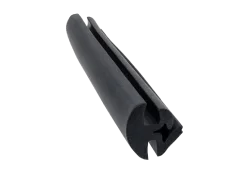
Rubber window gaskets are flexible seals used between glass and frames to block air and water ingress. They offer good elasticity and vibration absorption. Rubber window gaskets are best for residential and commercial windows. Proper sizing is required to avoid uneven compression.
EPDM Window Gaskets
EPDM Window Gaskets
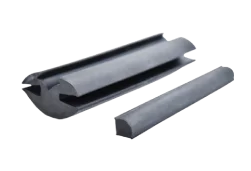
EPDM window gaskets provide excellent resistance to UV, ozone, and weathering. They maintain flexibility outdoors for long periods. EPDM window gaskets are perfect for facades, curtain walls, and exterior glazing, but they have a limited resistance to oils and fuels.
Neoprene Window Gaskets
Neoprene Window Gaskets
Neoprene window gaskets offer balanced sealing with moderate oil and chemical resistance. They perform well in mixed indoor–outdoor environments. Neoprene window gaskets are great for industrial windows and equipment panels. They are not ideal for prolonged UV exposure without protection.
Silicone Window Gaskets
Silicone Window Gaskets
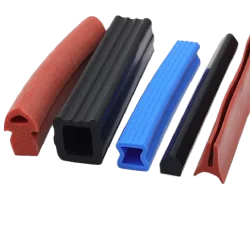
Silicone window gaskets maintain elasticity across extreme temperatures. They resist aging and thermal degradation. Silicone window gaskets are best for high-temperature glazing and clean environments. They are made from a higher material cost compared to EPDM.
Foam Window Gaskets
Foam Window Gaskets
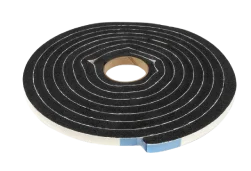
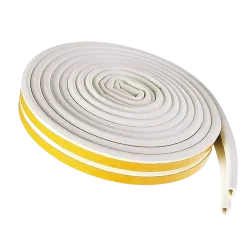
Foam window gaskets are compressible seals used for gap filling and acoustic insulation. They are best for retrofit windows and irregular surfaces. Foam window gaskets are not suitable for high-pressure or structural glazing.
Glazing Gaskets
Glazing Gaskets
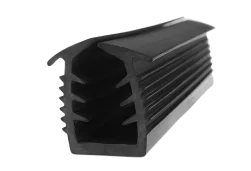
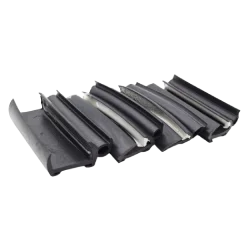
Glazing gaskets secure glass panels within frames while allowing thermal movement. They provide weather sealing and glass protection. Glazing gaskets are best for curtain walls and storefronts. You need profile accuracy to achieve the best sealing.
U-Channel Window Gaskets
U-Channel Window Gaskets
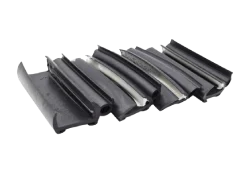
U-channel window gaskets protect glass edges and assist in sealing within frames. They are best for automotive and machinery windows, but you must match glass thickness precisely.
Custom Window Gaskets
Custom Window Gaskets
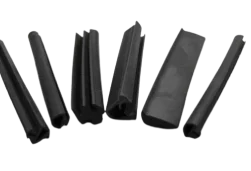
Custom window gaskets are engineered to specific profiles and dimensions. They are best for OEM and architectural systems; however, you need accurate specifications for optimal performance.
What Materials Are Used to Manufacture Window Gaskets?
The materials used to manufacture window gaskets include:
EPDM Rubber: A weather-resistant elastomer with excellent flexibility and low compression set. It operates from −50°C to +130°C, is highly resistant to UV, ozone, and moisture, ideal for outdoor window sealing.
Neoprene Rubber: A versatile rubber offering good flexibility and moderate resistance to oils and chemicals, operating from −35°C to +110°C. It is suitable for industrial and mixed indoor–outdoor environments.
Silicone Rubber: A high-performance elastomer with outstanding thermal stability and aging resistance, operating from −60°C to +200°C. It is used where temperature extremes and long service life are required.
PVC: A cost-effective material with good dimensional stability and moisture resistance, operating from −20°C to +80°C. It is commonly used for light-duty window sealing.
Foam Rubber: A compressible material designed for gap filling and acoustic insulation, operating from −30°C to +90°C. It offers flexibility but limited pressure resistance.
Window Gasket Material Comparison Table
Material
Operating Temperature
Compression Set
Chemical Resistance
Cost
Best For
EPDM Rubber
−50°C to +130°C
Low
Good (Water, Mild Chemicals; Poor Oils)
Low–Medium
Outdoor Windows, Curtain Walls, Weather Sealing
Neoprene Rubber
−35°C to +110°C
Moderate
Moderate (Mild Oils, Water)
Medium
Industrial Windows, Equipment Panels
Silicone Rubber
−60°C to +200°C
Very Low
Excellent
High
High-Temp Glazing, Clean Environments
PVC
−20°C to +80°C
Moderate
Limited
Low
Cost-Sensitive, Light-Duty Window Seals
Foam Rubber
−30°C to +90°C
Moderate–High
Limited
Low
Gap Filling, Acoustic Insulation
How to Choose the Right Window Gasket for Your Needs?
To choose the right window gasket, you should match the material and profile to your glazing system, environment, and performance requirements.
Here are tips to choose the right window gasket for your needs:
Window and Glass Type Confirm glass thickness, frame material, and gasket profile compatibility.
Environmental Exposure: Select materials with strong UV, ozone, moisture, and weather resistance for outdoor use.
Temperature Range: Ensure the gasket remains flexible across expected hot and cold conditions.
Compression & Fit: Choose the correct hardness and profile to achieve uniform compression without overloading the glass.
Noise & Insulation Needs: Use foam or soft elastomers where sound reduction and gap filling are priorities.
Compliance & Standards: Verify requirements for building codes, fire ratings, or project-specific specifications.
Where Are Window Gaskets Commonly Used?
Window gaskets are used wherever glass panels require secure retention, weatherproofing, and long-term sealing performance.
Applications where window gaskets are commonly used include:
Residential Windows & Doors
They seal glass-to-frame joints in homes to prevent air leaks, water ingress, and noise while improving energy efficiency.
Commercial Buildings
Window gaskets support curtain walls, storefronts, and office glazing systems by providing durable weather sealing and accommodating building movement.
Automotive & Transportation
They secure and seal vehicle windows, reducing wind noise and protecting interiors from moisture and dust.
Glass Facades & Curtain Walls
Window gaskets allow thermal expansion of glass panels while maintaining airtight and watertight seals in large-scale glazing systems.
HVAC & Equipment Windows
They seal inspection windows and viewing panels in HVAC units and industrial equipment, ensuring pressure and moisture control.
Marine & Outdoor Structures
Window gaskets protect against harsh outdoor conditions, including UV exposure, salt spray, and continuous moisture.
Need help choosing the best Window Gaskets for your use case?
Here are some frequently asked questions about our Window Gaskets to help you find the answers you need:
A window gasket seals the gap between the glass and frame. It prevents air, water, dust, and noise from entering the structure.
EPDM rubber is best. It resists UV, ozone, moisture, and temperature changes for long-term outdoor performance.
Yes, window gaskets can accommodate glass movements. Window gaskets are designed to absorb vibration and thermal expansion, protecting the glass from stress and cracking.
Properly specified window gaskets last 10–15 years, depending on material, exposure, and installation quality.
No, window gaskets are not reusable after removal. Once removed or compressed, gaskets may lose elasticity and sealing performance and should be replaced.
Yes, window gaskets improve energy efficency. By sealing air gaps, window gaskets reduce drafts and heat loss, improving insulation and energy efficiency.
Customer Reviews and Testimonials
Ryne Pfeifer
"We recently purchased rubber gaskets from Rubber Xperts INC. and were thoroughly impressed with their service. The team demonstrated a high level of professionalism and ensured we received top-quality products. Their assistance throughout the process was invaluable, and they delivered everything on time. We highly recommend Rubber Xperts INC. for their exceptional quality and outstanding customer support."
Remya Varughese
"Our dairy organization has been partnering with Rubber Xperts INC. for a while now, and we frequently procure silicone dairy hoses from them. Their customer service and engineering team are outstanding, always ensuring we receive the best products and support. This partnership has been a great success, and we highly recommend Rubber Xperts INC. for their professionalism, quality, and reliability."
What are rubber D-ring seals? Learn their functionalities, industry uses, installation methods, lifespan factors, benefits, and how they differ from O-ring seals.
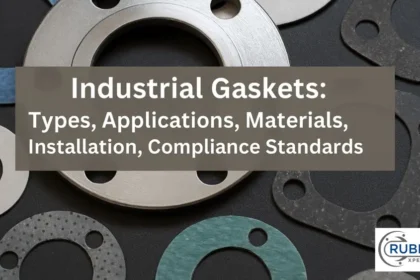
What is an industrial gasket? Explore types, applications, materials, installation process, compliance standards, and the three main gasket categories.
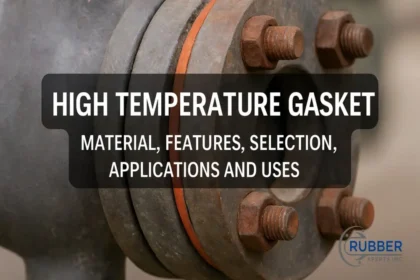
What is a high temperature gasket? Explore materials, features, selection criteria, applications, uses, gasket types, and heat-resistant vs. high-temp comparison.
With years of experience in hydraulic and pneumatic systems, Rubber Xperts INC makes top-quality rubber products like rubber o-rings, rubber seals, rubber pipes, rubber extrusions, rubber gaskets, rubber mounts, rubber hoses, and more.
We cater to various industries such as construction, aviation, agriculture, and marine. Quality is our priority, ensuring you get the best possible experience and product.
Our team can locate any product for you such as Seals, O-Rings, Gaskets, Pipes, Hoses, and more. If you need help finding a very specific product, reach out to us by phone, email, or contact form. If it exists, we'll find it for you.
Call us at +1 (817) 614 1836
We're available Monday-Friday from 8:00 AM to 6:00 PM EST, and Saturday from 8:00 AM to 12:00 PM EST.
First-class customer support
Top-notch customer support from us, whether it's before or after your purchase.
Easy and hassle-free
Buy easily through our website or just give us a call.
Flexible ordering and packing solutions
Customize your ordering and packing preferences with our flexible solutions tailored to your needs.