
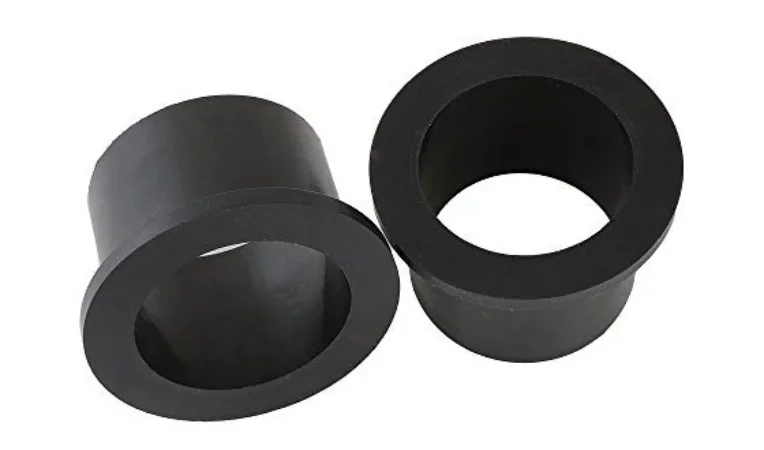
Drain Gaskets
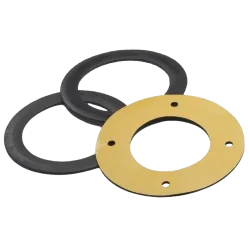
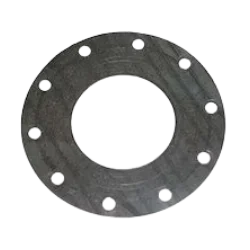
Reliable Sealing Solutions for Plumbing, Drainage & Waste SystemsDrain gaskets provide watertight sealing between drains, pipes, and fixtures to prevent leaks, odors, and wastewater seepage. Their core function is to create a secure seal that accommodates moisture, pressure, and minor movement in plumbing and drainage systems.
Drain gaskets offer good flexibility, compression recovery, and resistance to water, chemicals, and temperature variation, depending on the material. Rubber Xpert Inc. manufactures and supplies custom drain gaskets engineered for precise fit, durability, and bulk plumbing applications.
Buy Drain Gaskets in Bulk from a Certified
Manufacturer, Rubber Xperts Inc
Buy drain gaskets in bulk directly from a manufacturer with certified materials, consistent quality control, and precision-cut custom dimensions. Rubber Xpert Inc. supports plumbing OEMs and contractors with competitive pricing, fast turnaround, and reliable high-volume supply for drainage and wastewater systems.
Rubber Drain Gaskets
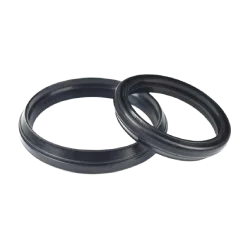
Rubber drain gaskets are engineered for flexible, watertight sealing in plumbing and drainage joints. They deliver reliable leak prevention where constant water exposure and compression are present.
- Applications: Residential and Commercial Drains
- Material Type / Grade: EPDM, Neoprene
- Temperature Range: −30°C to +100°C
- Hardness (Durometer): 50–70 Shore A
- Thickness Range: 2 mm to 10 mm
- Key Features: Elastic Sealing, Water Resistance, Long Service Life
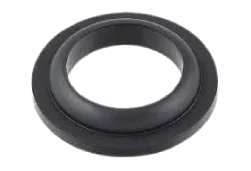
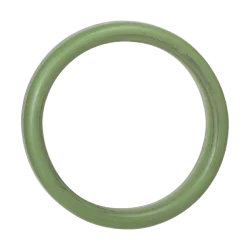
EPDM Drain Gaskets
EPDM drain gaskets are designed for exceptional resistance to water, steam, and weather conditions. They maintain sealing performance in damp and outdoor drainage environments.
- Applications: Floor Drains, Outdoor Plumbing
- Material Type / Grade: EPDM Rubber
- Temperature Range: −40°C to +120°C
- Hardness (Durometer): 50–65 Shore A
- Thickness Range: 2 mm to 12 mm
- Key Features: Moisture Resistance, Low Compression Set, Durability
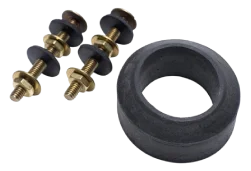
Neoprene Drain Gaskets
Neoprene drain gaskets provide balanced sealing with moderate chemical and oil resistance. They perform well in mixed-use plumbing systems.
- Applications: Utility Drains, Equipment Drainage
- Material Type / Grade: Neoprene Rubber
- Temperature Range: −35°C to +110°C
- Hardness (Durometer): 55–70 Shore A
- Thickness Range: 2 mm to 10 mm
- Key Features: Flexibility, Vibration Damping, General-Purpose Sealing
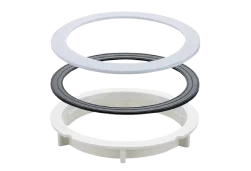
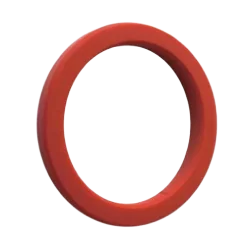
Silicone Drain Gaskets
Silicone drain gaskets are engineered for high-temperature stability and long-term elasticity in specialized drainage systems.
- Applications: Commercial Kitchens, High-Temp Drain Lines
- Material Type / Grade: Silicone Rubber
- Temperature Range: −60°C to +200°C
- Hardness (Durometer): 40–60 Shore A
- Thickness Range: 2 mm to 8 mm
- Key Features: Thermal Stability, Aging Resistance, Hygienic Sealing
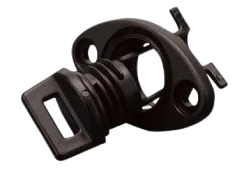
Foam Drain Gaskets
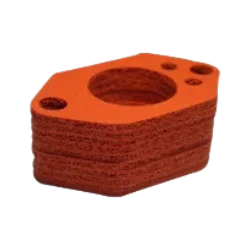
Foam drain gaskets are designed for low-load sealing and gap filling around drains where surface irregularities exist.
- Applications: Retrofit Drains, Acoustic Isolation
- Material Type / Grade: EPDM Foam, PU Foam
- Temperature Range: −30°C to +90°C
- Hardness (Durometer): 20–40 Shore 00
- Thickness Range: 3 mm to 20 mm
- Key Features: Compressibility, Easy Installation, Vibration Absorption
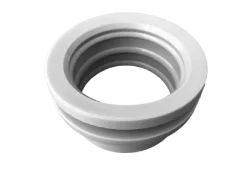
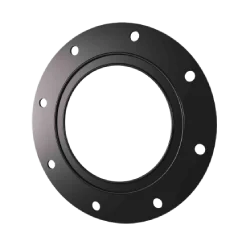
Toilet & Floor Drain Gaskets
Toilet and floor drain gaskets are engineered for secure sealing between fixtures and drain outlets to prevent leaks and odors.
- Applications: Bathrooms, Restrooms
- Material Type / Grade: Rubber, Foam
- Temperature Range: −20°C to +90°C
- Hardness (Durometer): 40–65 Shore A
- Thickness Range: Custom
- Key Features: Odor Prevention, Watertight Sealing, Easy Fit
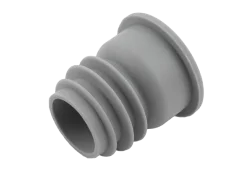
Pipe-to-Drain Gaskets
Pipe-to-drain gaskets seal connections between pipes and drain bodies, ensuring leak-free transitions.
- Applications: Plumbing Connections, Industrial Drains
- Material Type / Grade: EPDM, Neoprene
- Temperature Range: −30°C to +120°C
- Hardness (Durometer): 50–70 Shore A
- Thickness Range: Custom
- Key Features: Secure Pipe Sealing, Pressure Tolerance
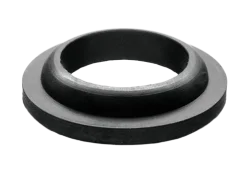
Custom Drain Gaskets
Custom drain gaskets are engineered to exact drain geometries and application requirements.
- Applications: OEM Plumbing Systems, Specialized Drains
- Material Type / Grade: Custom-Specified
- Temperature Range: Application-Dependent
- Hardness (Durometer): Custom
- Thickness Range: Custom
- Key Features: Precision Fit, Tailored Performance
Why Buy Drain Gaskets from Rubber Xperts Inc?
Rubber Xperts Inc. manufactures drain gaskets using certified elastomers and controlled production processes to ensure watertight sealing, durability, and consistent performance across plumbing and drainage applications.
You should buy drain gaskets from Rubber Xperts because of the following:
- ISO-Certified Manufacturing: Standardized processes for repeatable quality and traceability.
- Industry-Approved Material Grades: EPDM, neoprene, silicone, foam, and specialty compounds.
- Advanced Fabrication Capabilities: CNC cutting, die-cutting, molding for accurate profiles.
- Material Options for Wet & Chemical Environments: Resistance to water, detergents, and mild chemicals.
- OEM & Bulk Production Support: Scalable supply for contractors and plumbing manufacturers.
- Nationwide Delivery & Volume-Tier Pricing: Reliable logistics for large and repeat orders.
- 10,000 sq. ft. Fully Equipped Production Facility: In-house capacity for fast turnaround.

What Are Drain Gaskets?
Drain gaskets are sealing components installed between drains, pipes, and fixtures to create a watertight connection and prevent leaks, backflow, and odor escape. Their core function is to seal joints exposed to continuous water flow, moisture, and minor movement.
Drain gaskets are designed to compress evenly, maintain elasticity over time, and resist degradation from water, detergents, and mild chemicals. Depending on the material, drain gaskets also accommodate temperature variation and vibration.
Drain gaskets are widely used in residential plumbing, commercial bathrooms, industrial drainage systems, HVAC condensate lines, and wastewater installations. Reliable, leak-free performance is critical for these applications.
What Types of Drain Gaskets Are Available?
Rubber Drain Gaskets
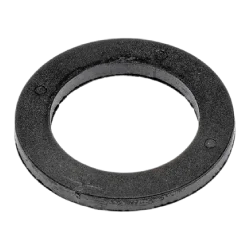
Rubber drain gaskets provide flexible, watertight sealing for standard plumbing connections. They compress easily and maintain a tight seal under constant moisture exposure. Rubber drain gaskets are best for residential and commercial drains, but the material selection matters for temperature and chemical exposure.
EPDM Drain Gaskets
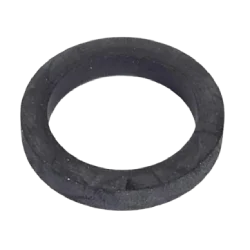
EPDM drain gaskets are highly resistant to water, steam, UV, and ozone. They retain elasticity in damp or outdoor environments. EPDM drain gasket is best for floor drains and exterior drainage systems. It is not recommended for oil-heavy waste streams.
Neoprene Drain Gaskets
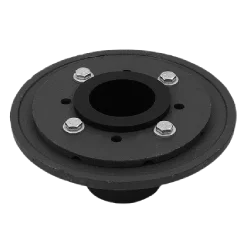
Neoprene drain gaskets offer balanced sealing with moderate resistance to oils and detergents. They perform well in utility and equipment drains. It is best for mixed-use plumbing, but has limited long-term UV resistance without protection.
Silicone Drain Gaskets
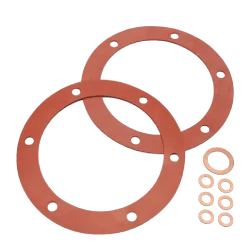
Silicone drain gaskets maintain flexibility across wide temperature ranges and resist aging. They are best for commercial kitchens and high-temperature drain lines. The material costs more than EPDM or neoprene.
Foam Drain Gaskets
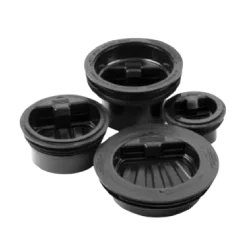
Foam drain gaskets are compressible seals used for gap filling and low-load applications. They are best for retrofit installations and uneven surfaces, but not suitable for pressurized or high-flow drains.
Toilet & Floor Drain Gaskets
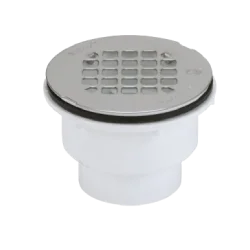
These gaskets seal fixtures to drain outlets, preventing leaks and odor escape. It is best for bathrooms and restrooms, but correct sizing is critical for proper sealing.
Pipe-to-Drain Gaskets
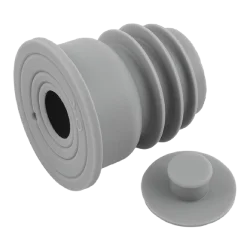
Pipe-to-drain gaskets seal transitions between pipes and drain bodies. It is best for plumbing and industrial drainage connections. You have to ensure proper alignment for a leak-free performance.
Custom Drain Gaskets
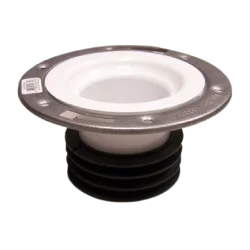
Custom drain gaskets are engineered to specific drain geometries and application needs. It is best for OEM and specialized drainage systems. You need accurate specifications for the best performance.
What Materials Are Used to Manufacture Drain Gaskets?
Warning: Undefined array key "rubber_product_material_main_desc" in /home/u221192900/domains/rubberxperts.com/public_html/wp-content/themes/rubberexperts/templates/sub-product-details-template-new.php on line 374
The materials used to manufacture drain gaskets include:
- EPDM Rubber: A water- and weather-resistant elastomer operating from −40°C to +120°C. It offers excellent flexibility, low compression set, and strong resistance to moisture, steam, and detergents.
- Neoprene Rubber: A durable rubber operating from −35°C to +110°C. It provides balanced flexibility with moderate resistance to oils, greases, and cleaning chemicals.
- Silicone Rubber: A high-performance elastomer operating from −60°C to +200°C. They maintain elasticity under temperature extremes and resist aging and microbial growth.
- Nitrile (Buna-N): An oil- and fuel-resistant rubber operating from −30°C to +120°C, suitable for drains exposed to oily wastewater or hydrocarbons.
- PVC / Flexible Plastics: Cost-effective materials operating from −20°C to +80°C. They offer good dimensional stability and water resistance for light-duty drain sealing.
- Foam Rubber: Compressible materials operating from −30°C to +90°C, used for gap filling and low-load sealing in non-pressurized drain applications.
Drain Gasket Material Comparison Table
| Material | Operating Temperature | Compression Set | Chemical Resistance | Cost | Best For |
|---|---|---|---|---|---|
| EPDM Rubber | −40°C to +120°C | Low | Excellent (Water, Steam, Detergents) | Low–Medium | Floor Drains, Outdoor Plumbing, HVAC Condensate |
| Neoprene Rubber | −35°C to +110°C | Moderate | Moderate (Mild Oils, Cleaners) | Medium | Utility Drains, Equipment Drainage |
| Silicone Rubber | −60°C to +200°C | Very Low | Good–Excellent | High | Commercial Kitchens, High-Temp Drains |
| Nitrile (Buna-N) | −30°C to +120°C | Low–Moderate | Excellent (Oils, Hydrocarbons) | Medium | Oily Wastewater, Industrial Drains |
| PVC / Flexible Plastics | −20°C to +80°C | Moderate | Limited | Low | Light-Duty, Cost-Sensitive Drains |
| Foam Rubber | −30°C to +90°C | Moderate–High | Limited | Low | Gap Filling, Retrofit Drain Sealing |
How to Choose the Right Drain Gasket for Your Needs?
To choose the right drain gasket, match the sealing performance to the drain type, fluid exposure, and operating conditions.
Follow these tips to choose the right drain gasket for your needs:
- Drain Type & Size: Confirm compatibility with floor drains, toilet outlets, pipe connections, or fixtures.
- Temperature Range: Select materials that remain flexible under hot water, steam, or cold conditions.
- Chemical Exposure: Verify resistance to detergents, cleaners, oils, or wastewater chemicals.
- Compression & Fit: Ensure proper thickness and hardness for uniform compression without leakage.
- Environmental Exposure: Consider moisture, UV (for outdoor drains), and vibration.
- Compliance Standards: Check plumbing codes or project specifications where required.
Where Are Drain Gaskets Commonly Used?
Drain gaskets are essential wherever leak prevention, odor control, and secure drainage connections are required.
Applications where drain gaskets are commonly used are:
Residential Plumbing Systems
Used in sinks, showers, toilets, and floor drains to prevent water leakage and sewer gas escape.
Commercial Bathrooms & Kitchens
Installed in high-traffic drains to handle frequent water flow, cleaning chemicals, and temperature variation.
Industrial Drainage Systems
Seal drains in factories and plants where wastewater, mild chemicals, or oils are present.
HVAC Condensate Drains
Provide watertight sealing in condensate lines to prevent leaks and moisture damage around HVAC units.
Wastewater & Sewage Systems
Used in pipe-to-drain and fixture connections to ensure secure joints under continuous moisture exposure.
Marine & Outdoor Drain Applications
Applied in outdoor and marine environments where resistance to moisture, UV, and weathering is required.
Compression Guidelines
Drain gasket compression guidelines include the following:
Recommended Compression Range
Drain gaskets typically perform best at 20–30% compression, depending on material and gasket profile.
Avoid Over-Compression
Excessive tightening deforms the gasket, reduces elasticity, and causes premature leakage.
Material-Specific Behavior
Softer materials (foam, silicone) require lower compression, while EPDM and nitrile tolerate higher loads.
Uniform Compression
Apply even pressure around the joint to prevent gaps, leaks, or localized wear.
Account for Movement
Allow slight flexibility to accommodate vibration, thermal expansion, and pipe movement without seal failure.

Frequently Asked Questions
Here are some frequently asked questions about our Drain Gaskets to help you find the answers you need:
EPDM rubber is best. It offers excellent resistance to water, steam, and detergents with long-term elasticity.
Yes, drain gaskets can handle hot water and cleaning chemicals. Silicone and EPDM drain gaskets tolerate hot water and common cleaning chemicals when correctly specified.
No, drain gaskets are not reusable after removal. Once compressed or removed, drain gaskets may lose sealing integrity and should be replaced.
A properly installed drain gasket shows no leaks during water testing and remains evenly compressed without visible gaps.
Drain gaskets require minimal maintenance but should be inspected periodically for wear, hardening, or leakage signs.
Need Custom Gaskets for Your Application?
Tell us your size, material, quantity or application requirements and our team will provide a competitive quote.
Materials
Manufacturing
& Fast Response
You can upload it with your enquiry.