
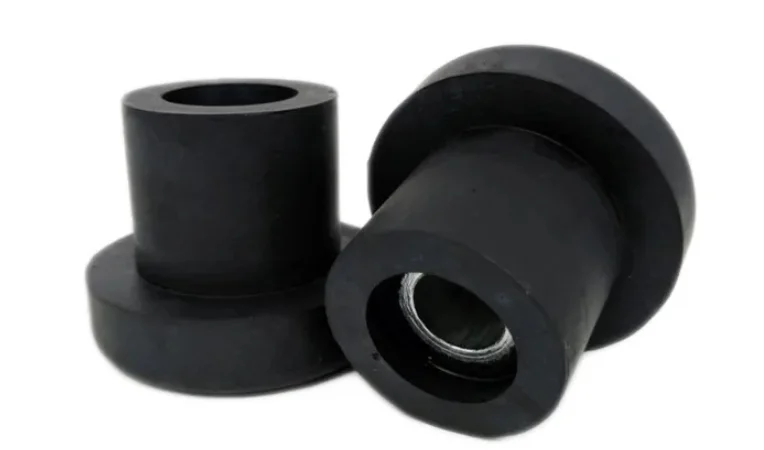
High-Performance Rubber Bushings
Rubber bushings are industrial-grade elastomer components designed to provide shock absorption, vibration isolation, and motion control in dynamic systems. Engineered for applications ranging from automotive suspension systems to heavy-duty machinery, rubber bushings reduce noise, prevent component fatigue, and extend equipment lifespan.
Whether used in engines, compressors, rail systems, or HVAC units, our bushings ensure smoother operation, mechanical protection, and load cushioning across demanding environments.
Buy High-Quality Rubber Bushings in Bulk Today
From Rubber Xperts Inc
Choose from a wide range of industrial-grade rubber bushings designed for machinery, automotive assemblies, and vibration-isolation systems. Each bushing format supports specific load, movement, and damping requirements across rotating equipment, suspension components, engine mounts, and mechanical joints.
Bulk stock + custom manufacturing available.
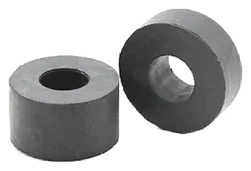
Solid Rubber Bushings
Solid rubber bushings absorb mechanical vibration and support continuous load in engines, suspension links, and rotating machinery. Their elastomer structure reduces noise and stabilizes components under repetitive compression.
- General-purpose vibration isolation
- Long-cycle elastomer durability
- Low maintenance operation
- Suitable for engine & machinery mounts
- Temperature Range: –30°C to +100°C
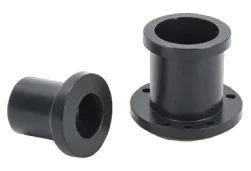
Bonded Rubber Bushings
Bonded rubber bushings connect metal sleeves through vulcanized elastomer to control motion and maintain alignment in chassis mounts and drivetrain assemblies. They reduce torsional and shear vibration under dynamic load.
- Rubber bonded between metal sleeves
- Handles torsion, shear, and compression
- Ideal for automotive suspension & engine mounts
- High load-bearing stability
- Corrosion-protected metal inserts
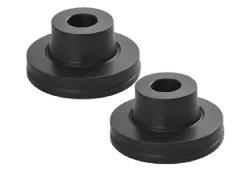
Split Rubber Bushings
Split rubber bushings enable installation without full component disassembly and isolate vibration in hard-to-access machinery points. They reduce service downtime in field-maintenance environments.
- Two-piece service-friendly design
- Suitable for retrofit and repair sites
- Supports industrial mounting points
- Compressible elastomer structure
- Low-downtime replacement system

Flanged Rubber Bushings
Flanged rubber bushings prevent axial movement and stabilize mounted components in housings and suspension linkages. The flange ensures secure positioning under compression loads.
- Flange for lateral retention
- Used in bearings & link arms
- Resists extrusion under load
- Maintains component alignment
- Secure fit in mechanical housings
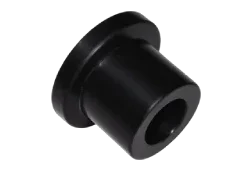
Spherical Rubber Bushings
Spherical rubber bushings allow multi-directional movement and reduce binding in dynamic suspension joints and pivot arms. They accommodate angular alignment shifts in high-motion assemblies.
- Multi-axis rotational capability
- Polymer-sleeve vibration damping
- Ideal for control arms & pivot joints
- Reduces wear under movement
- Maintains stability in chassis systems
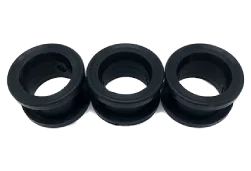
Pivot Rubber Bushings
Pivot rubber bushings support rotational motion and isolate vibration in pivot joints and machinery linkages. They reduce friction and extend component life in oscillating assemblies.
- Designed for rotating joints
- Prevents metal-to-metal contact
- Suitable for control arms & mechanical pivots
- Durable under oscillatory loads
- Improves joint longevity
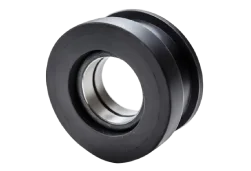
Compression Rubber Bushings
Compression rubber bushings absorb vertical forces and dampen shock in engine mounts, isolation pads, and industrial support systems. They maintain alignment and reduce transmitted noise.
- Vertical compression damping
- Rubber-mass vibration absorption
- Engine & machinery mount applications
- Stable under repeated load cycles
- Low acoustic vibration transfer
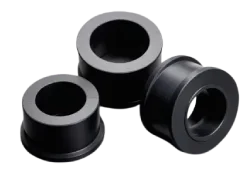
Hydraulic Rubber Bushings
Hydraulic bushings filter high-frequency vibration using internal fluid passages and optimize ride comfort in advanced suspension systems. They control micro-movement in dynamic chassis assemblies.
- Fluid-filled damping chamber
- High-frequency vibration filtering
- Automotive suspension integration
- Precision chassis control
- Enhanced ride stability
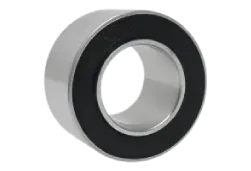
Polyurethane Bushings (PU)
Polyurethane bushings resist deformation under heavy load and support high-performance mechanical assemblies. They maintain geometry under force but transmit more noise than rubber bushings.
- High-durometer polymer
- Abrasion & chemical resistant
- Suitable for motorsport & heavy-duty use
- Minimal elastic deformation
- Increased NVH compared to rubber
Why Are Rubber Bushings Important in Machinery
and Automotive Systems?
Rubber bushings are important in machinery and automotive systems because they absorb shocks and vibrations that would otherwise damage components or reduce performance. They also enhance comfort and safety by acting as mechanical dampers that reduce noise, stress, and wear between moving parts.
Rubber bushings are important in machinery and automotive systems because of the following:
Absorb Vibrations
Prevents direct metal-to-metal contact, reducing wear on components (machinery vibration control).
Dampen Noise
Acts as a sound barrier in suspension and engine mount systems (engine mount bushings, suspension bushings).
Improve Handling
Maintains alignment and stability in vehicle steering and braking systems (control arm bushings, automotive bushings).
Extend the lifespan of equipment
Reduces stress and fatigue on moving mechanical parts.
Why Choose RubberXperts for Custom or Standard Bushings?
You choose RubberXperts for rubber bushings because we combine ready-to-ship stock options with fully custom solutions tailored to your specs. Whether you need high-volume OEM bushings or unique designs for R&D, we deliver with speed and precision.
- What We Offer: Standard bushings in various sizes + fully custom-molded rubber bushings made to exact requirements.
- Fast Turnaround: From quote to production, we prioritize speed without compromising quality.
- Wide Material Options: Choose from EPDM, silicone, neoprene, natural rubber, and more, based on temperature, exposure, or load needs.
- Engineering Support: Our team offers technical consultation and application advice to ensure you get the right fit.
- In-House Tooling: We design and manufacture our own molds, cutting lead time and ensuring tight tolerance control.
- Trusted by Industries: Used by clients in automotive, defense, HVAC, renewable energy, and manufacturing.
- Certifications: ISO-certified facility with quality checks at every stage.
Looking for a rubber bushing supplier near you? We ship locally and internationally with full support.
What Are Rubber Bushings and Why Are They Used?
Rubber bushings are elastomer components designed to cushion and isolate movement between mechanical parts. They are typically cylindrical and are used to prevent direct metal-to-metal contact.
In automotive systems, rubber bushings are found in suspension arms and engine mounts. In machinery, they also act as vibration isolators in pumps, motors, and industrial equipment.
The rubber bushing key role is to absorb shocks, reduce noise, and dampen vibrations, making them essential anti-vibration mounts and rubber mountings in harsh mechanical environments.
What Are the Different Types of Rubber Bushings?
The different types of rubber bushings include cylindrical bushings, flanged bushings, bonded bushings, and sleeve bushings. Each type is designed for specific load, vibration, and mounting requirements across automotive, industrial, and machinery applications.
Here are common types of rubber bushings:
Hydraulic Rubber Bushings

Hydraulic rubber bushings dampen high-frequency vibration using sealed fluid chambers and improve motion control in premium suspension systems. They filter micro-movement and enhance ride comfort in automotive chassis and engine mounting points.
Polyurethane bushings (PU)

Polyurethane bushings resist deformation under heavy load and support high-performance assemblies in motorsport and off-road vehicles. Their high-durometer polymer withstands abrasion, oils, and chemicals, but transmits more noise and vibration compared to rubber in vibration-isolating applications.
Solid Rubber Bushings

Solid rubber bushing absorbs vibration and shock in machinery mounts, general automotive components, and industrial assemblies. The elastomer body provides compliance under load and reduces noise transmission in general-purpose isolation tasks.
Bonded Rubber Bushings

Bonded rubber bushing integrates rubber between metal sleeves to support dynamic vehicle suspension loads and machinery vibration points. The bonded interface prevents joint separation and maintains alignment under continuous stress in chassis and engine mount systems.
Split Rubber Bushings

Split rubber bushing facilitates installation and replacement in equipment where full disassembly is not possible. The two-piece elastomer structure reduces vibration and lowers service downtime in maintenance-intensive mechanical assemblies.
Flanged Rubber Bushings

Flanged rubber bushing prevents axial movement and maintains component alignment in housings and bracket mounts. The flange supports secure seating under compression loads in automotive, industrial, and machinery joints.
Spherical Rubber Bushings

Spherical rubber bushing allows multi-directional motion and reduces friction in pivoting suspension links and control arm joints. The spherical elastomer interface controls vibration while accommodating angular movement in dynamic chassis systems.
Pivot Rubber Bushings

Pivot rubber bushings support rotational movement and isolate vibration in pivoting assemblies. They reduce friction and wear in suspension arms and mechanical linkages, extending service life in oscillating joint applications.
Compression Rubber Bushings

Compression rubber bushings absorb vertical force and dampen shock in engine mounts and isolation systems. Their elastomer structure maintains alignment under repeated compression and reduces transmitted noise in industrial and automotive environments.
What Materials Are Used to Make Rubber Bushings?
The materials used to make rubber bushings are EPDM, natural rubber, silicone, and neoprene.
Each of these materials are selected based on performance in specific environments and load conditions.
Common bushing materials include:
- EPDM: Ideal for outdoor or weather-exposed environments; resistant to UV rays, ozone, and water.
- Natural Rubber: Offers excellent flexibility and shock absorption; suitable in standard machinery and automotive parts.
- Silicone: Best for high-temperature environments; resistant to heat, oxidation, and aging.
- Neoprene: Resistant to oils and chemicals; ideal for industrial settings where lubrication or exposure to solvents is common.
Most bushings are manufactured using compression molding or injection molding to ensure uniform density, proper bonding to metal sleeves, and precise tolerance.
Material Comparison: Polyurethane vs Rubber vs Metal Bushings
Here’s a clear side-by-side comparison of common bushing materials to help you choose the right fit based on performance needs:
| Material | Stiffness | Noise Dampening | Hardness Rating (Durometer) | Compression Set Resistance | Use Case Notes |
|---|---|---|---|---|---|
| Rubber | Soft to Medium | Excellent | 40–70 Shore A | Moderate | Best for comfort and vibration isolation |
| Polyurethane | High | Low to Moderate | 70–95 Shore A | High | Great for performance vehicles, off-road |
| Metal (Solid) | Very High | Poor | N/A | Excellent | Used in racing or heavy-duty rigid systems |
Rubber offers superior noise dampening and flexibility, while polyurethane delivers increased stiffness and durability. Metal bushings eliminate flex, but at the cost of comfort.
How to Choose the Right Rubber Bushing for Your Application
To choose the right rubber bushing, consider the load type, motion involved, operating temperature, and exposure to elements or chemicals. The correct bushing minimizes wear,
vibration, and fatigue while maintaining system performance under stress.
Here’s a quick selection usages to choose the right rubber bushing for your application:
- Vehicle Suspension (Cars, Trucks): Rubber T bushings and rubber sleeve bushings absorb road shock and maintain control arm stability.
- Industrial Machines: Industrial rubber bushings support heavy machinery by isolating vibration and controlling motion transfer.
- HVAC Mounts: Used for mounting compressors and fans, these bushings reduce NVH (noise, vibration, harshness).
- Pipes and Pumps: Provide leak-free vibration damping, especially in systems with static and dynamic loads.
Load Type
Static vs. dynamic—dynamic systems need more flexible bushings.
Motion Range
For oscillating components, choose bushings that allow angular movement.
Temperature
Select based on heat exposure (e.g., silicone for high-heat HVAC).
Chemical Exposure
Neoprene or Viton offers better resistance to oils and chemicals.
Durometer Rating
Higher durometer = stiffer bushing; match to application stress level.
Tolerance Levels
Tight tolerances are essential in precision or high-speed systems.
RubberXperts offers custom and standard rubber bushings customized to your exact needs.
Whether you're ordering in bulk, need a special hardness, or want branded bushing designs, we make it easy.
Just fill in your details, and our engineering team will respond within 24 hours.
What Are the Key Applications of Rubber Bushings?
Rubber bushings are commonly used to absorb shock and reduce noise in high-vibration systems.
Their flexibility and resilience make them ideal for motion control and power transmission applications.
Common applications of rubber bushings include:
Automotive Systems
Used in coolant, fuel, and brake systems to ensure fluid transfer under high pressure and temperature.
HVAC Units
Isolate vibration in compressors and fan systems, improving longevity.
Generators
Minimize engine vibration, protect internal components, and reduce noise in power generation systems.
Electric Motors
Support motion control by isolating motor housing and preventing mechanical wear.
Railway Systems
Applied in undercarriage and couplings to absorb dynamic loads and enhance passenger comfort.
Defense Equipment
Absorb high shock loads in military-grade vehicles and machinery.
Renewable Energy Systems
Used in wind turbines and solar trackers to manage movement and mechanical vibration.
Rubber Bushing Specs Table (Sizes, Hardness, Tolerance, Temp Range)
Here’s a spec table summarizing the key parameters for our most common rubber bushing types:
| Type | ID (mm) | OD (mm) | Hardness (Shore A) | Temp Range (°C) | Material | Use |
|---|---|---|---|---|---|---|
| Cylindrical Bushing | 10–100 | 20–150 | 40–90 | -40 to +120 | Natural Rubber | Suspension, Noise Damping |
| Flanged Rubber Bushing | 15–60 | 30–100 | 50–80 | -30 to +100 | EPDM | HVAC, Sealing and Mounting |
| Spherical Rubber Bushing | 20–80 | 40–120 | 60–90 | -40 to +150 | Neoprene | High-motion joints, automotive arms |
| Bonded Rubber Bushing | 10–75 | 30–100 | 50–85 | -35 to +130 | Nitrile | Engine Mounts, Vibration Absorption |
| Split Rubber Bushing | 25–100 | 50–150 | 45–75 | -40 to +110 | Natural Rubber | Field repairs, ease of installation |
| Solid Rubber Bushing | 8–60 | 20–80 | 70–95 | -40 to +150 | -40 to +150 | High-load machinery, trucks |
| Pivot Rubber Bushing | 15–50 | 30–90 | 55–85 | -30 to +120 | Silicone | Axles, suspension pivots |
Explore Related Categories and Accessories
Rubber O-Rings

Rubber Gaskets
Rubber Extrusions
Rubber Mounts
Rubber Hoses
Rubber Bushings
Sealants
Rubber Pipes
Frequently Asked Questions
Here are some FAQs about our Rubber Bushings to help you find the answers you need:
The difference between bonded rubber bushes and unbonded bushings lies in the structure and movement. In bonded bushings, the elastomer is chemically bonded to the metal sleeves, creating a fixed interface ideal for rubber-metal bond stability, while unbonded bushings allow greater flexibility between the parts, making them suitable as flexible bushings and rubber vibration isolators.
Yes, we offer custom rubber bushings in a wide range of custom shapes, sizes, and durometer ratings. Whether you need soft rubber bushings for flexibility or hard rubber bushings for high-load use, we can mold to your exact spec.
Yes, our rubber bushings are engineered for high-load, off-road, and heavy-duty applications. We use solid rubber, bonded rubber bushings, and high-durometer materials ideal for suspension systems, trail-ready vehicles, and harsh terrains.
Our rubber bushings are used across multiple industries, including automotive, aerospace, manufacturing, renewable energy, railways, and defense. These sectors rely on our vibration-isolating, NVH-reducing, and durable elastomer bushings for critical motion control and mounting applications.
Yes, we offer rubber bushings specifically designed for electric vehicles and renewable energy systems. These include custom-molded components for battery mounts, solar tracker arms, and wind turbine assemblies, using materials like EPDM and silicone for extreme durability.
Yes, you can buy rubber bushings near you through our nationwide distributor network and local stock points across the U.S. We offer fast shipping, flexible custom order options, and global fulfillment for industrial clients.
Whether you're searching from Texas, California, or New Jersey, we ship direct or through verified partners.
Yes, we offer custom rubber bushings tailored to your exact size, hardness, material, and mounting requirements. Our in-house tooling and ISO-certified processes ensure precision-engineered solutions for every application.
If you have any questions, please fill your queries in the form and we will respond as soon as we can.
Saturdays from 8:00 AM to 12:00 PM EST